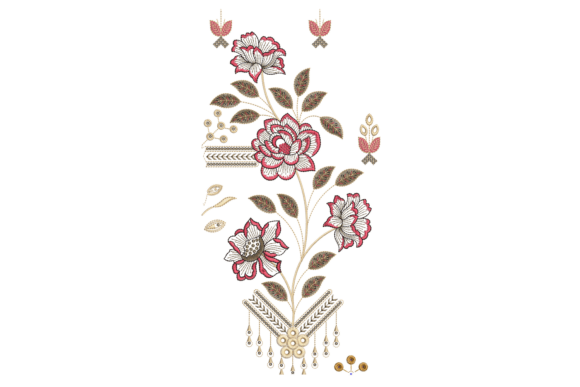
Indian Floral Embroidery Design
The First Impression: A Cultural Statement in Thread
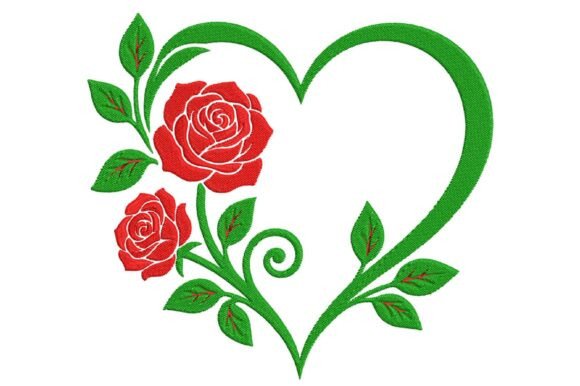
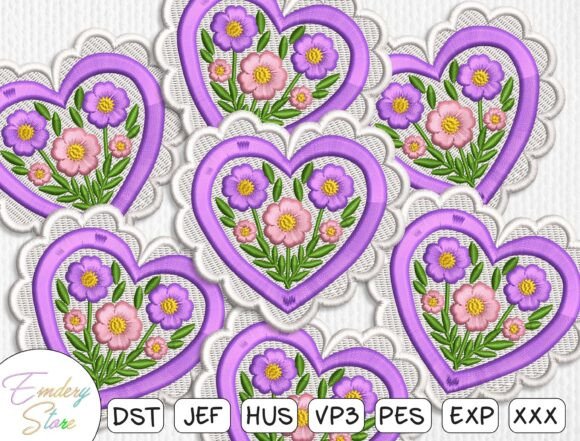
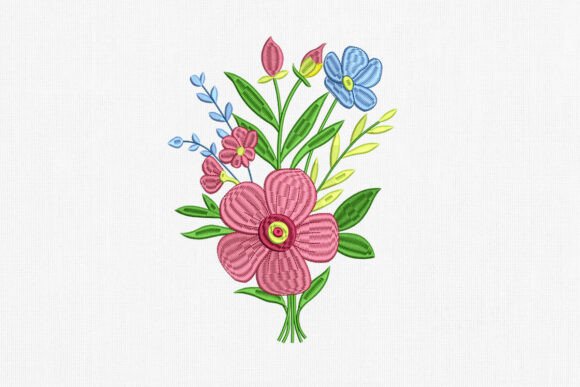
When I first opened the Indian Floral Embroidery Design, I was struck by its visual harmony and cultural resonance. The design is rich with intricate floral motifs that echo the ornate patterns found in traditional Indian textiles. The shapes are elegant, flowing, and layered with detail, making it feel like a piece of art rather than just an embroidery file.
The layout is balanced, with a natural rhythm that guides the eye through each motif. It feels like a design meant to be seen, not just stitched. This makes it ideal for projects where the embroidered element is central to the product’s identity.
A Real-World Use Case: Custom Tote Bag Design
To test the Indian Floral Embroidery Design, I imagined using it on a custom tote bag. The design’s scale and complexity make it perfect for larger items where the embroidery can be a focal point without overwhelming the overall look.
I considered how the pattern would translate onto fabric. The flowing lines and detailed petals suggest a need for a stable base fabric to prevent distortion. A cotton canvas or linen would work best, allowing the design to breathe while maintaining its integrity.
For a tote bag, the Indian Floral Embroidery Design could serve as a decorative accent or even a full-body design, depending on the hoop size used. It’s important to check the hoop size and ensure the design fits comfortably within the space, avoiding tight stitching that might cause puckering or distortion.
Stitching Clarity and Visual Appeal
One of the most critical aspects of any machine embroidery design is its stitching clarity. When reviewing the Indian Floral Embroidery Design, I noted that the stitch density appears well-balanced, with enough coverage to maintain detail without being overly dense.
The use of satin stitch and fill stitch techniques enhances the depth of the flowers, giving them a three-dimensional feel. This is especially effective when paired with contrasting thread colors, which can elevate the design’s visual impact.
However, the design’s intricate details mean that it may not perform as well on thin or stretchy fabrics. Testing on scrap fabric is always recommended before committing to a final project. This allows you to see how the design behaves under real conditions and make necessary adjustments.
Where to Use the Indian Floral Embroidery Design with Care
While the Indian Floral Embroidery Design is versatile, it requires careful consideration when applied to certain materials or products. For example, small hoop sizes may struggle to capture the full detail of the design, leading to a loss of quality. Similarly, dark fabrics can make the design appear muted unless high-contrast thread colors are used.
Products like caps, aprons, and pillow covers demand attention to detail, especially in corners and edges. The Indian Floral Embroidery Design’s flowing nature means that these areas should be inspected closely to ensure they don’t fray or distort during washing or wear.
Additionally, the design’s complexity may not suit items that require frequent washing, such as tea towels or kitchen linens. In such cases, a simpler design might be more practical, ensuring longevity and customer satisfaction.
Design Assets for Commercial and Personal Projects
The Indian Floral Embroidery Design is well-suited for both personal and commercial use. As a digital embroidery file, it offers flexibility for Etsy sellers, small shop owners, and craft business operators looking to create unique, handcrafted products.
For commercial embroidery, the design’s cultural appeal makes it a strong candidate for boutique branding or holiday gifts. It also works well for personalized gifts, such as baby embroidery or custom apparel, where the emotional value of the design is key.
Before selling finished products, it’s crucial to confirm the licensing terms. Some designs may only allow personal use, so checking this ensures compliance and protects your business.
Practical Designer Notes for Success
As a designer, I always recommend testing a machine embroidery design on scrap fabric first. This helps identify potential issues with stitch density, thread color contrast, and hoop size compatibility.
Using the right stabilizer is essential for preventing puckering, especially on delicate or textured fabrics. Also, consider how the design looks in black and white mockups to ensure it maintains visual interest regardless of color choices.
When working with printable mockups, compare the design on light and dark backgrounds to see how it performs in different settings. This helps ensure that the finished product meets customer expectations and aligns with brand consistency.
Final Thoughts on the Indian Floral Embroidery Design
The Indian Floral Embroidery Design is a thoughtful, culturally rich embroidery file that has clear strengths and specific considerations. Its elegance and detail make it a strong choice for projects where the embroidered element is central to the design.
Whether you’re creating custom apparel, embroidered patches, or handmade products, the Indian Floral Embroidery Design offers a unique opportunity to blend tradition with modern craftsmanship. With proper preparation and attention to detail, it can become a standout asset in your design portfolio or craft business.