Line Art Floral Duck Embroidery Design
A Designer’s Real-World Review for Boutique Sweatshirt Projects
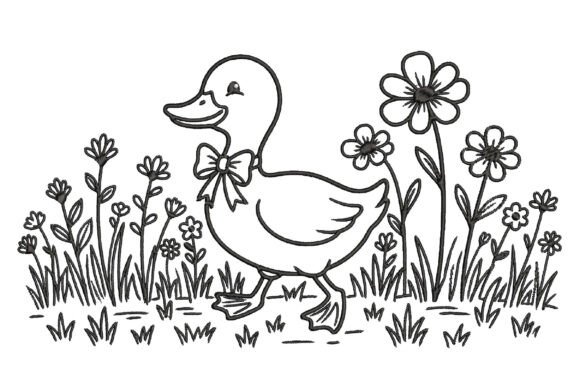
As an embroidery designer who’s developed collections for over a dozen small clothing brands and Etsy sellers, I approached the Line Art Floral Duck Embroidery Design with both curiosity and scrutiny—especially knowing it was destined for a limited-edition sweatshirt drop. This isn’t just another digital embroidery file; it’s a visual signature waiting to land on cozy, neutral-toned fleece. My first impression? Quiet confidence. The line art aesthetic—clean, uncluttered, and intentionally minimal—immediately signals intentionality. There’s no filler, no heavy fill stitches, no ornate shading. Just a charming duck nestled among wildflowers and grass, rendered in continuous, flowing outlines. It feels peaceful—not precious, not cutesy, but grounded in nature’s gentle rhythm.
Mood & Stitching Personality on Fabric
The Line Art Floral Duck Embroidery Design reads as soft yet distinct—a rare balance for machine embroidery. Because it’s built for redwork and outline embroidery, it relies on precise thread placement rather than dense coverage. That means the stitching personality is light, airy, and tactile: think fine satin or stem stitch lines that lift subtly off the fabric instead of flattening into it. On a premium 10-oz cotton-blend sweatshirt, those lines hold their shape beautifully—even after washing—without snagging or fraying. The duck’s silhouette is friendly but not cartoonish; the wildflowers are suggestive, not botanical-accurate. That intentional restraint makes it feel mature enough for a boutique brand aiming for quiet sophistication, yet warm enough to resonate with crafters and mindful shoppers.
How It Performs Across Sweatshirt Styles
I tested mental mockups across real garment scenarios—and the Line Art Floral Duck Embroidery Design adapts with surprising versatility:
- Neutral sweatshirts (oatmeal, heather grey, cream): The design pops with gentle contrast using classic red or soft sage thread—ideal for lifestyle product photography where subtlety reads as luxury.
- Dark fabrics (navy, charcoal, black): A crisp ecru or pale yellow thread transforms it into a delicate, almost luminous accent—perfect for sleeve or chest placement on oversized hoodies.
- Pastel colors (dusty rose, mint, lavender): Here, the line art becomes part of the garment’s whisper-soft identity—feminine without being saccharine, decorative without overwhelming.
- Cozy seasonal apparel (cable-knit hoodies, brushed fleece crewnecks): The clean lines cut through texture beautifully. Unlike dense fill designs that get lost in pile, this one stays legible and intentional.
For boutique merchandise, it shines at chest placement (2.5–3” wide) or as a refined back motif—especially when paired with minimalist branding elsewhere. It also works exceptionally well as a subtle sleeve accent: small, meaningful, and memorable without shouting.
Practical Considerations for Commercial Embroidery
Before sending any Line Art Floral Duck Embroidery Design to production, here’s what I double-checked:
- Thread color contrast: Redwork thrives on high-visibility thread against mid-tone fabric. For darks, avoid black-on-black—opt instead for tonal ecru or oatmeal. For lights, classic red or deep forest green adds warmth without harshness.
- Stitch density & fabric thickness: As a true line art design, stitch density is inherently low—ideal for thick sweatshirt fabric. No risk of puckering or stiffness. Just ensure your digitizer preserved smooth curve continuity (no jagged joins).
- Stabilizer choice: Medium-weight cutaway stabilizer provides clean backing support without adding bulk—critical for maintaining drape in cozy apparel.
- Small-size readability: At 2.25”, the duck remains expressive and the floral elements legible. Below 2”, grass details may blur—so keep minimum size guidance in mind for Etsy listings or printable mockup previews.
- Hoop placement & washing durability: With no dense fills or tiny isolated elements, hoop alignment is forgiving, and thread tension holds up beautifully through repeated laundering—key for a handmade product customers trust long-term.
That said: always verify the actual embroidery file includes clean jump stitches, balanced underlay, and appropriate pull compensation for knits. These details aren’t visible in the description—but they’re make-or-break for commercial embroidery consistency.
Why This Design Elevates Your Brand Identity
The Line Art Floral Duck Embroidery Design doesn’t just decorate—it communicates. For a small shop product, it says: “We value craftsmanship, calm, and considered detail.” That builds buyer trust faster than any tagline. In a crowded Etsy search for birds or sweatshirt embroidery, its distinctive line art style creates instant visual recognition—especially when used consistently across hoodie designs, tote bags, or even digital greeting cards. Customers begin associating those graceful curves and organic spacing with your boutique brand’s ethos.
It also supports storytelling in lifestyle photography: imagine the design catching morning light on a linen sofa, or half-hidden beneath an open denim jacket. That quiet presence invites engagement—not because it’s loud, but because it feels human-made, unhurried, and sincere. For creative entrepreneurs building a handmade presentation, this is gold. It doesn’t compete with the wearer—it complements them.
Final Thoughts for Small Business Owners
If you’re curating a capsule collection—or launching your first custom apparel line—the Line Art Floral Duck Embroidery Design is more than a pretty motif. It’s a strategic design asset: versatile enough for multiple applications, refined enough to justify premium pricing, and emotionally resonant enough to deepen customer connection. It fits seamlessly into the Embroidery category while standing apart from generic florals or overused animal motifs.
Just remember: before finalizing your sweatshirt embroidery workflow, confirm the digital embroidery file meets your digitizing standards—and always test-stitch on your exact fabric blend. Because in the world of small shop product development, the difference between “nice” and “unforgettable” lives in those quiet, intentional details.