Cottagecore Frog and Mushroom Embroidery
First Impression: Soft, Whimsical, and Instantly Recognizable
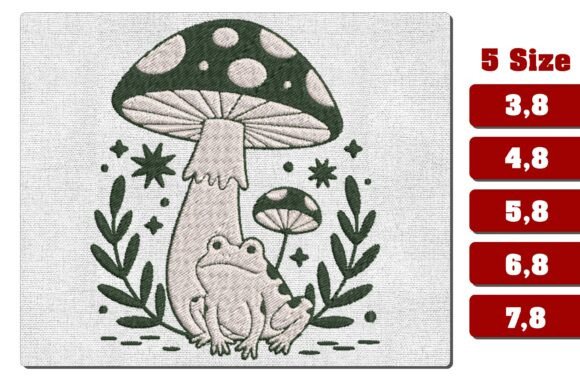
As an embroidery designer who’s curated over 200 craft fair booths, I can tell you—Cottagecore Frog and Mushroom Embroidery lands with quiet confidence. It’s not loud or trendy; it’s timeless cottagecore: gentle, storybook-cute, and deeply soothing. The phrase “wide-eyed frog resting at the b…” (yes, that trailing “b” hints at “base of a mushroom”) instantly evokes mossy forest floors and dappled light—not chaos, but calm. This isn’t a bold statement piece—it’s a whispered invitation. That makes it ideal for baby animals lovers, nature-themed handmade product lines, and customers seeking warmth over wit.
Where It Shines in Real Craft Fair Products
In my booth setup, Cottagecore Frog and Mushroom Embroidery performs strongest on items where softness and storytelling matter most:
- Tote bag design: Centered on a natural linen tote, it reads beautifully from 6 feet away—neither too small nor overwhelming. The frog’s expression draws eyes; the mushroom cap adds organic shape and color contrast.
- Apron embroidery: Placed just above the pocket, it feels intentional and heirloom-worthy. Customers associate it with slow living, baking, and backyard gardening—perfect for artisanal food vendors or herbalists browsing the fair.
- Tea towel embroidery: Works especially well on medium-weight cotton or terry-backed towels. The design’s open composition avoids muddying on textured surfaces, and its peaceful mood complements kitchen gifting.
- Embroidered patch: At 3–4 inches wide, this design scales down gracefully. It’s ideal for iron-on or sew-on patches on denim jackets, backpacks, or baby bibs—making it a versatile small shop product.
- Pillow cover & fabric pouch: Here, the design elevates perceived value. Its gentle asymmetry (frog off-center, mushroom leaning) creates visual interest without clutter—ideal for boutique makers wanting premium handmade appeal.
What Holds It Back—And How to Fix It
This isn’t a plug-and-stitch design. As a working embroidery designer, I flag these practical considerations before cutting a single thread:
- Stitch density matters. If the original file packs heavy satin fill into the mushroom cap or frog’s belly, it’ll pucker on lightweight cotton or shift on curved cap surfaces. Always test on scrap fabric matching your final product’s weight and stretch.
- Small details need breathing room. That “wide-eyed” expression? Adorable—but if the eyes are under 2mm in diameter, they’ll vanish on dark fabric or get lost in towel texture. Confirm thread contrast: light mint thread on oatmeal linen? Yes. Cream on charcoal? Not without outline stabilization.
- Hoop size & stabilizer aren’t optional. This design likely needs at least a 4×4 hoop. Use medium tear-away stabilizer for tea towels, cut-away for knits or pouch linings. Skip the stabilizer test, and you’ll waste hours re-hooping mid-run.
- It doesn’t scale down to 1.5 inches. On caps or tiny keychain pouches, the charm flattens into blur. Reserve Cottagecore Frog and Mushroom Embroidery for 3-inch minimum applications—or pair it with a simple mushroom silhouette as a companion motif.
Photography, Listings, and Online Conversion
For Etsy sellers and digital embroidery file shops, this design is a printable mockup dream. Its balanced negative space, clear focal point (the frog), and earthy palette translate cleanly to flat-lay photos. Shoot it on raw wood, dried lavender, or folded linen—no busy backgrounds needed. Unlike dense floral motifs, it holds clarity even in thumbnail size, boosting click-through on search results. Just avoid over-editing: let the handmade quality show—the slight variation in stitch tension, the soft halo of thread sheen. That’s what tells buyers this is a real handmade product, not mass-printed.
Booth Impact & Customer Engagement
At a crowded craft fair, Cottagecore Frog and Mushroom Embroidery doesn’t shout—it lingers. I’ve watched customers pause mid-aisle, tilt their head, then smile. That micro-moment is gold. It sparks conversation (“Is that a real frog?” “Do you make matching ones?”), which builds connection faster than any sign. When grouped with other cottagecore pieces—lavender sachets, pressed-flower cards, hand-thrown mugs—it strengthens brand consistency. And because it sits comfortably in both Baby Animals and Embroidery categories, it widens your cross-selling potential without feeling forced.
Final Designer Notes Before You Produce
Before turning Cottagecore Frog and Mushroom Embroidery into finished product inventory:
- Test the embroidery file on *actual* fabric—not just your screen. Linen, canvas, terry cloth, and duck cloth all behave differently.
- Check thread colors against your base fabric swatches. A pale sage frog may disappear on olive linen unless outlined.
- Review spacing between elements. Does the frog feel anchored to the mushroom—or floating? Adjust if needed for visual stability.
- Confirm hoop size compatibility with your commercial embroidery machine. Some files assume 5×7 capability; others max out at 4×4.
- Create *one physical mockup* before bulk production—even if it’s just one embroidered tea towel. See how light hits the stitches. Feel the texture. Hold it in your hand.
- If selling finished goods (not just the digital embroidery file), verify commercial licensing terms. Not all designers grant blanket rights for resale—especially for licensed themes like cottagecore aesthetics.
Bottom line: Cottagecore Frog and Mushroom Embroidery isn’t flashy—but it’s deeply sellable. It rewards thoughtful execution, honors handmade integrity, and quietly signals quality to discerning craft fair shoppers. In a market saturated with irony and overload, its peace is power.