★★★☆☆3.5(63 reviews)
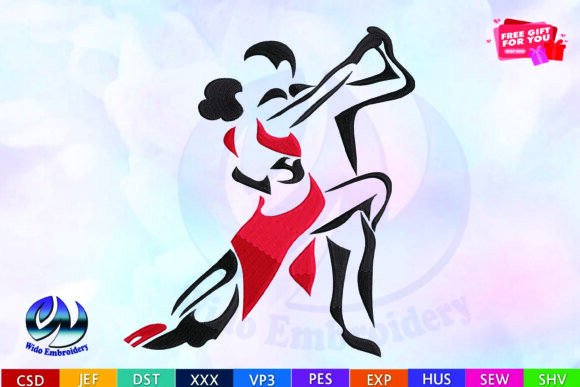
Dance Embroidery Design
Practical Considerations for Real-World Stitching
- Create a test stitch-out on your exact fabric type. Dance Embroidery Design has graceful curves that can blur on stretchy baby clothes or dense fleece unless stabilized properly.
- Check small details after stitching, especially if using the smallest size. While the design avoids micro-lettering or fragile filigree, fine limbs may need slight density adjustment depending on your machine’s capability.
- Compare thread colors carefully. The emotional impact shifts dramatically—ivory on cream linen reads serene; deep plum on oatmeal canvas reads romantic; mint on white chambray reads fresh and modern.
- Test on similar fabric before committing to a finished product. A dense stitch pattern might sink into thick blankets or puff awkwardly on thin voile.
- Confirm hoop size compatibility. Since the Dance Embroidery Design comes in five sizes, verify your machine’s largest hoop supports your intended scale—especially for blanket embroidery or large tote bag placements.
- Review stitch density. It’s balanced—not overly dense, not sparse—but always double-check on dark fabric where thread coverage affects contrast and legibility.
- Use proper stabilizer. For towels: medium cutaway. For baby onesies: tear-away + topping. For quilting cotton: lightweight fusible. Skipping this step risks puckering that undermines the design’s elegance.
⬇️ Download Free
Free download · No sign-up required
🔗 You Might Also Like
Animals
A Whimsical, Well-Balanced Character for Real-World Stitching As an embroidery d...
Nursery
A Practical Review for Etsy Sellers and Small Craft Businesses As someone who’s ...
Mother S Day
A Soft, Thoughtful Touch—Not Just Another Heart First impression? This isn’t a b...
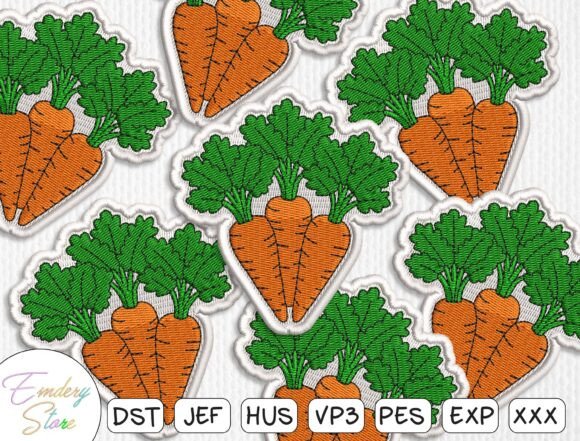
Food
A Fresh, Marketable Food-Themed Embroidery File for Small Creative Businesses As...
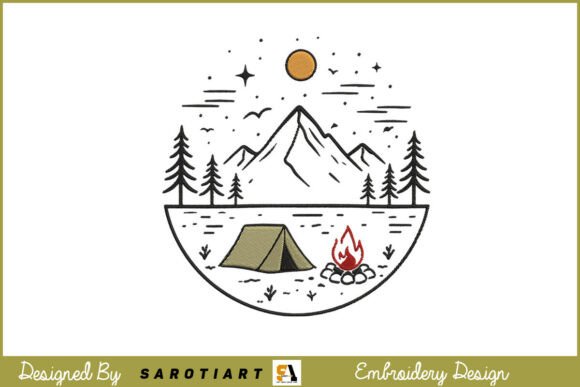
Camping
First Impressions: Sweet, Handmade, and Full of Quiet Warmth As an embroidery de...
