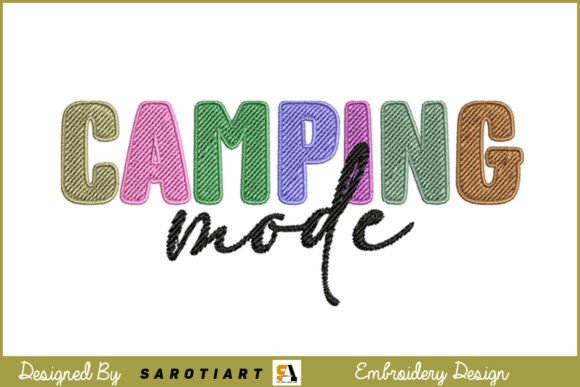
Camping Mode Embroidery Design
A Seasonal Designer’s First Look: Warm, Whimsical, and Ready for Gifting
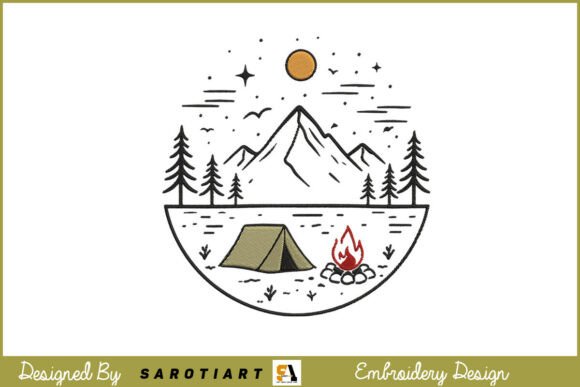
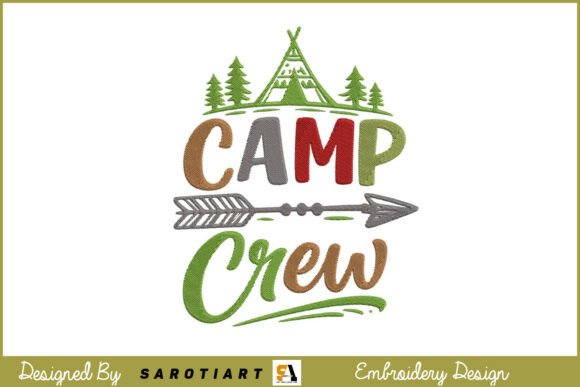
As an embroidery designer who’s built seasonal collections for over a decade—from back-to-school bundles to holiday markets—I opened Camping Mode Embroidery Design expecting rustic charm. What I found was something more versatile: a soft, hand-drawn line art motif with gentle curves, open negative space, and quiet warmth. It doesn’t shout “campfire” or “adventure”—it whispers “cozy memory.” The “Love Hands” element grounds it in tenderness, making it ideal for family-focused gifting rather than rugged outdoors branding. It reads as nostalgic *and* modern—think handwritten postcards from a lakeside cabin, not tactical gear labels. That duality is gold for holiday selling.
Where It Shines: Real-World Seasonal Product Applications
This machine embroidery design thrives where emotion meets utility. On heavyweight cotton sweatshirts? Yes—its clean lines hold up beautifully at 3.5–4.5 inches wide, offering instant visual calm amid holiday clutter. As a tote bag design, it adds quiet intentionality to grocery runs or gift deliveries—especially when stitched in muted sage, oat, or clay thread on natural canvas. For kitchen towel embroidery, the open line work avoids bulk while still reading clearly after repeated washing. And on pillow covers or linen napkins? It elevates everyday moments into handmade ritual—perfect for “cabin core” holiday home decor drops.
It’s also unexpectedly strong for baby and toddler items: embroidered on organic cotton onesies or burp cloths, the gentle hands motif signals care—not cuteness overload. As an embroidered patch, it layers beautifully onto denim jackets or backpacks for family matching sets (think grandparents + grandkids at Christmas Eve campouts). And for Etsy sellers building personalized gift listings, pairing Camping Mode Embroidery Design with a custom name or year (“The Andersons • 2024”) creates instant heirloom energy without extra complexity.
Holiday Selling Strengths: Trust, Recognition, and Scroll-Stopping Calm
In crowded holiday feeds and craft fair booths, Camping Mode Embroidery Design stands out by *not* competing. While others lean into glitter or loud slogans, this design offers visual breathing room—making it highly shareable in social media previews and printable mockups. Buyers associate that calm aesthetic with quality and intention, boosting perceived value of your small shop product. Its consistent line weight and balanced composition mean it scales cleanly across formats: same file works for a 2-inch ornament hoop and a 5-inch pillow cover, reinforcing brand consistency across your seasonal collection.
For Etsy sellers, that consistency translates directly to trust. Customers recognize the style across listings—tote, apron, tea towel—and feel confident purchasing multiple items as a coordinated set. And because it avoids trendy fonts or dated icons, Camping Mode Embroidery Design stays relevant beyond a single season, supporting evergreen inventory alongside limited-edition holiday releases.
Use With Care: Practical Embroidery Designer Notes
Like any thoughtful digital embroidery file, this design rewards preparation. Here’s what I tested—and recommend you verify before production:
- Thread colors matter deeply. Test stitch on both light and dark fabric. On black towels or navy sweatshirts, use matte white or ecru thread—not bright white—to preserve the soft mood. Metallics will overwhelm the delicate line work; skip them.
- Check stitch density. Line art can sometimes under-stitch, causing gaps on textured fabric like terry cloth or heavy linen. Add a light tear-away stabilizer *under* and a medium-weight cut-away *under* for kitchen towels or aprons.
- Hoop size isn’t one-size-fits-all. While it scales well, avoid shrinking below 2.25 inches—tiny hands lose legibility. For curved surfaces (like caps or mugs), stick to flat applications unless you’ve tested on similar fabric texture first.
- Dark fabric + stretch = test first. On dark, stretchy knits (like holiday lounge sets), use a water-soluble topping to prevent skipped stitches and ensure crisp edges.
- Wash durability starts pre-stitch. If stitching for baby items or kitchen linens, confirm the file uses satin or stem stitch—not fill stitch—in thin areas. Overly dense fills crack after repeated laundering.
Final Verdict: A Thoughtful Anchor for Your Holiday Collection
Camping Mode Embroidery Design isn’t just another holiday embroidery file—it’s a mood-setter. It supports storytelling across products: the quiet joy of shared mornings, the comfort of familiar rituals, the love held in small gestures. That resonance makes it powerful for handmade gift positioning, especially during high-intent shopping windows like Thanksgiving through New Year’s.
For apparel decorators, it adds depth to basic tees and sweatshirts without demanding complex color changes. For home decor makers, it transforms ordinary linens into curated moments. And for digital sellers, its clean, scalable line art means fewer customer questions about sizing or clarity—freeing you to focus on photography, packaging, and storytelling.
Before adding it to your shop: confirm commercial licensing applies to finished goods, review all small details in your embroidery software (especially hand contours), and build realistic printable mockups showing it on actual seasonal items—tote bags beside pine garlands, pillow covers on flannel sheets, patches pinned to wool coats. When customers see how quietly lovely it looks *in context*, they don’t just buy a design—they invest in a feeling. And that’s what sells in December.